

Anti Microbial Fabrics
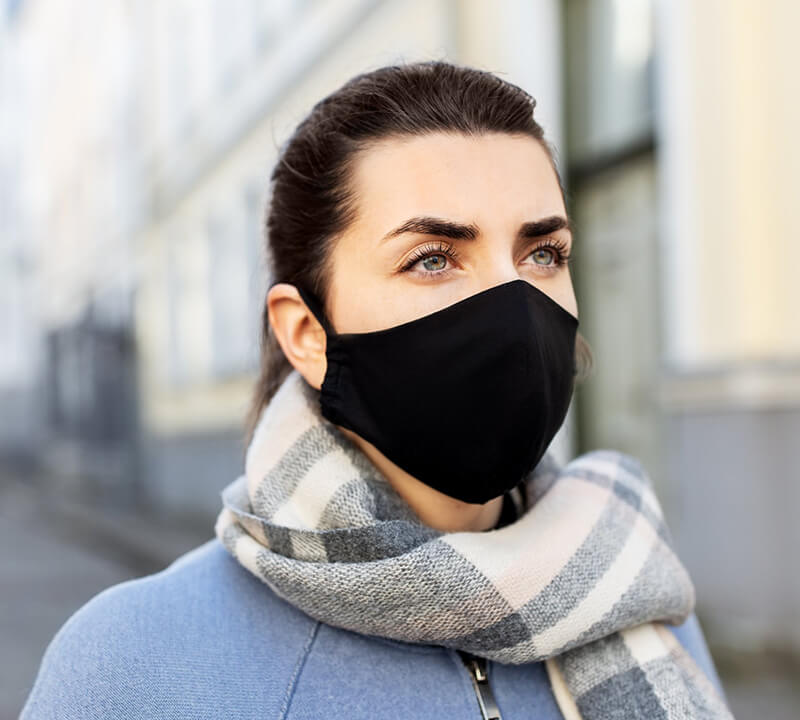
Antimicrobial fabrics are designed to inhibit the growth of bacteria, fungi, and other microbes. Textiles with added antibacterial fibers or antibacterial agents can inhibit the growth of harmful bacteria on the fabric. Through strict quality requirements, and the promotion of antibacterial types and grades, the relative standards are achieved. There are several types of fabrics that have antimicrobial properties, including:
Natural fibers: Some natural fibers, such as bamboo and silver, have antimicrobial properties that can help to inhibit the growth of bacteria and other microbes.
Synthetic fibers: Some synthetic fibers, such as polyester and nylon, have been treated with antimicrobial agents that can help to inhibit the growth of bacteria and other microbes.
Technical fabrics: Technical fabrics are specially designed for performance and may be treated with antimicrobial agents to help inhibit the growth of bacteria and other microbes.
In everyday life: The proliferation of microorganisms on textile fabrics can lead to various nuisances, such as the formation of indelible stains by microorganisms on baby clothes, changing the mechanical properties of tent fabrics or producing unpleasant odors. The proliferation of skin bacteria on underwear. After antibacterial processing, it can reduce the growth and reproduction of bacteria on textiles, and achieve the purpose of hygiene and deodorization. At present, there are a wide variety of antibacterial textiles on the market, including casual wear, outdoor sportswear, underwear, socks (including pantyhose), bedding utensils, rags...etc.
In healthcare settings, where infections transmitted through contaminated hands, water, or food are well controlled through hygiene practices, the use of antimicrobial textile fabrics that inhibit their development or kill pathogens can control infection through textile materials Infect. Associate before being transferred to another material or to another person.
In fact, textiles such as bed sheets, caregivers' clothing, and even department heads' ties have been clearly detected as contributing to the spread of pathogens. Antibacterial agents are widely used in textile fabrics, and the use of textiles with antibacterial properties is a solution to break and effectively reduce the pollution chain.
Anti-Microbial Fabrics | Long-Lasting Antibacterial and Odor-Control Textile Solutions
Fone Tai specializes in the development and supply of anti-microbial fabrics, antibacterial fabrics, odor-control fabrics, and other functional antimicrobial textiles for apparel brands, textile buyers, and product development teams seeking hygiene, comfort, and production consistency.
In high-contact, long-wear, humid, or hygiene-sensitive environments, fabric is more than a material choice. It is a key part of functional product design. Fone Tai’s anti-microbial fabrics can be developed with antimicrobial fibers, functional treatments, or finishing technologies to help inhibit the growth of bacteria and microorganisms on the fabric surface, reduce odor build-up, and improve cleanliness, durability, and user comfort.
Rather than focusing only on a single antibacterial claim, we emphasize real-world performance balance, including fabric hand feel, breathability, durability, finishing stability, and end-use suitability. These antibacterial and anti-odor fabrics are suitable for sportswear, innerwear, socks, casual apparel, outdoor apparel, bedding, healthcare textiles, and other products that require hygiene performance and odor control.
As a professional anti-microbial fabric supplier, Fone Tai supports a wide range of fabric development options, including natural fibers, synthetic fibers, and technical textiles. We help customers balance product differentiation, functional performance, and scalable production for different market applications.
Features & Advantages
1. Anti-Microbial Fabric Performance
Developed to help inhibit the growth of bacteria, fungi, and other microorganisms on the fabric surface for better hygiene performance.
2. Odor-Control and Anti-Odor Benefits
Helps reduce odor caused by bacterial build-up in activewear, innerwear, and other long-wear applications.
3. Functional Comfort and Practicality
Can be combined with breathability, moisture management, softness, and durability to support overall garment performance.
4. Suitable for Multiple Applications
Ideal for sportswear, underwear, socks, casualwear, outdoor apparel, bedding, cleaning textiles, and healthcare-related fabric products.
5. Custom Functional Antimicrobial Textile Development
We support customized development of anti-microbial fabrics, antibacterial fabrics, and odor-control fabrics based on product goals, market positioning, and end-use requirements.
Applications
- Sportswear and active apparel
- Innerwear and next-to-skin garments
- Socks and everyday apparel
- Outdoor and casual apparel
- Bedding and home textiles
- Healthcare-related textiles
- Cleaning and hygiene-sensitive products
CTA | Contact Us for Anti-Microbial Fabric Development
If you are looking for anti-microbial fabrics, antibacterial fabrics, or odor-control fabrics for sportswear, innerwear, bedding, healthcare textiles, or hygiene-focused products, Fone Tai is ready to help. Contact us for professional fabric recommendations and customized development support based on your product positioning, performance goals, fabric hand feel, and production requirements.
Anti-Microbial Fabrics | Long-Lasting Antibacterial and Odor-Control Textile Solutions
Fone Tai specializes in the development and supply of anti-microbial fabrics, antibacterial fabrics, odor-control fabrics, and other functional antimicrobial textiles for apparel brands, textile buyers, and product development teams seeking hygiene, comfort, and production consistency.
In high-contact, long-wear, humid, or hygiene-sensitive environments, fabric is more than a material choice. It is a key part of functional product design. Fone Tai’s anti-microbial fabrics can be developed with antimicrobial fibers, functional treatments, or finishing technologies to help inhibit the growth of bacteria and microorganisms on the fabric surface, reduce odor build-up, and improve cleanliness, durability, and user comfort.
Rather than focusing only on a single antibacterial claim, we emphasize real-world performance balance, including fabric hand feel, breathability, durability, finishing stability, and end-use suitability. These antibacterial and anti-odor fabrics are suitable for sportswear, innerwear, socks, casual apparel, outdoor apparel, bedding, healthcare textiles, and other products that require hygiene performance and odor control.
As a professional anti-microbial fabric supplier, Fone Tai supports a wide range of fabric development options, including natural fibers, synthetic fibers, and technical textiles. We help customers balance product differentiation, functional performance, and scalable production for different market applications.
Features & Advantages
1. Anti-Microbial Fabric Performance
Developed to help inhibit the growth of bacteria, fungi, and other microorganisms on the fabric surface for better hygiene performance.
2. Odor-Control and Anti-Odor Benefits
Helps reduce odor caused by bacterial build-up in activewear, innerwear, and other long-wear applications.
3. Functional Comfort and Practicality
Can be combined with breathability, moisture management, softness, and durability to support overall garment performance.
4. Suitable for Multiple Applications
Ideal for sportswear, underwear, socks, casualwear, outdoor apparel, bedding, cleaning textiles, and healthcare-related fabric products.
5. Custom Functional Antimicrobial Textile Development
We support customized development of anti-microbial fabrics, antibacterial fabrics, and odor-control fabrics based on product goals, market positioning, and end-use requirements.
Applications
- Sportswear and active apparel
- Innerwear and next-to-skin garments
- Socks and everyday apparel
- Outdoor and casual apparel
- Bedding and home textiles
- Healthcare-related textiles
- Cleaning and hygiene-sensitive products
CTA | Contact Us for Anti-Microbial Fabric Development
If you are looking for anti-microbial fabrics, antibacterial fabrics, or odor-control fabrics for sportswear, innerwear, bedding, healthcare textiles, or hygiene-focused products, Fone Tai is ready to help. Contact us for professional fabric recommendations and customized development support based on your product positioning, performance goals, fabric hand feel, and production requirements.